CBS News Live
CBS News Bay Area: Local News, Weather & More
Watch CBS News

Breaking Local News, First Alert Weather & Community Journalism




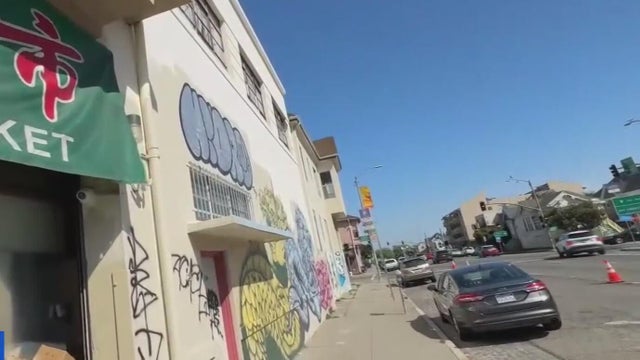
After multiple times repainting her storefront only for it to be graffitied again the next day, one store owner said she gave up trying to keep it clean.
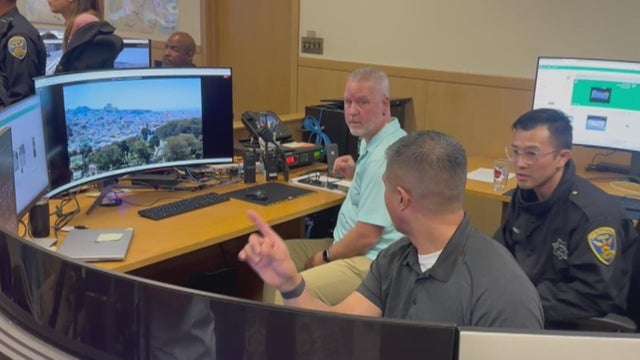
Police Chief Bill Scott credited the center, and the technology, with a 20% drop in crime from January through early April, compared to the same period last year
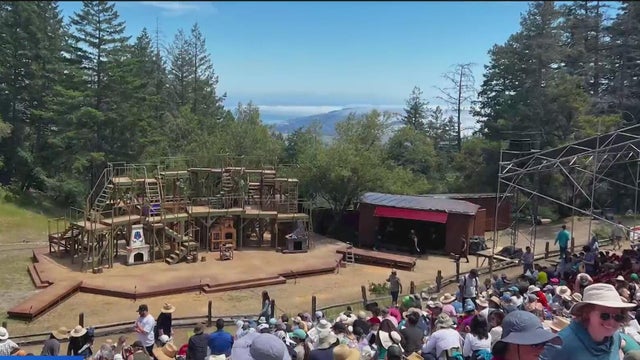
A long-running and unusual theater tradition in the North Bay is in jeopardy of coming to an end due to budget challenges.
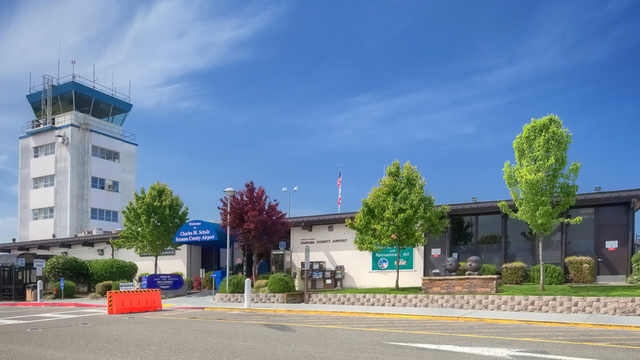
Days after announcing it would be flying federal deportation flights from Arizona, officials with Avelo Airlines confirmed Wednesday it would no longer have a base at the Sonoma County Airport.
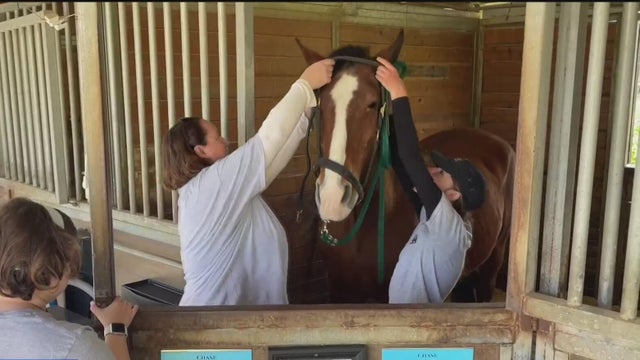
A Peninsula woman is working to make sure kids with autism feel included at a San Mateo County ranch providing a fulfilling place for everyone to feel and "be okay."
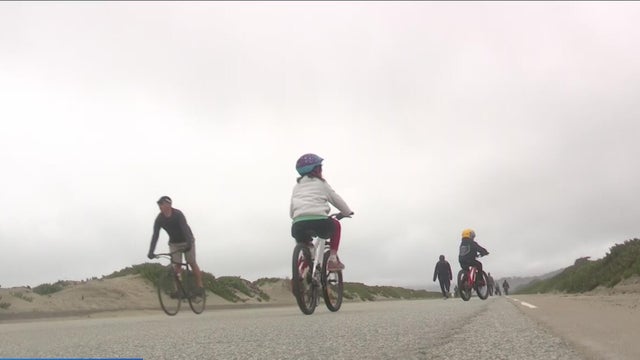
Sunset Dunes will be the name of San Francisco's newest park, located on part of the now-closed Upper Great Highway.

China said it will hike its levies on U.S. imports to 84% after President Trump hit Chinese goods with 104% tariff
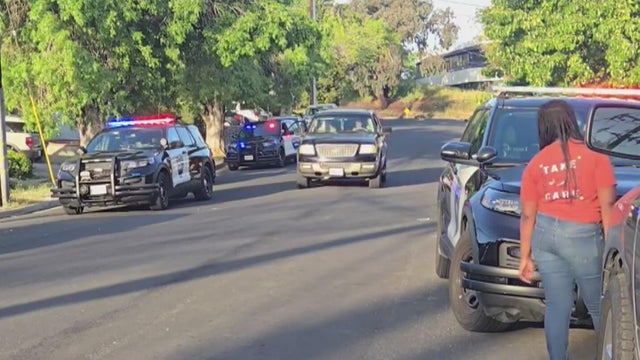
A 3-year-old toddler in Antioch died Tuesday evening in what appears to be a self-inflicted accidental shooting, Antioch police said.

Mike Yastrzemski hit a two-run homer in the bottom of the 10th inning, Jung Hoo Lee had three hits including a triple and a double, and the San Francisco Giants rallied from a five-run deficit for an 8-6 victory over the Cincinnati Reds.
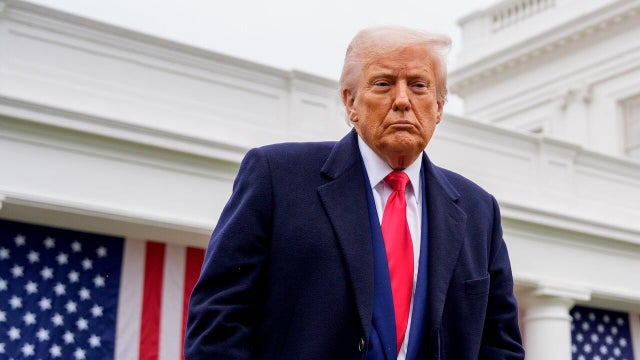
The U.S. stock market surged immediately after President Trump announced the pause on most of his new "reciprocal tariffs."
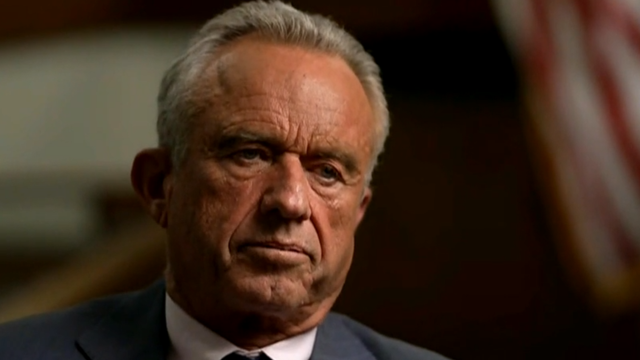
Health and Human Services Secretary Robert F. Kennedy Jr. addressed health program cuts and the measles vaccine in his first network TV interview since joining the Trump administration.
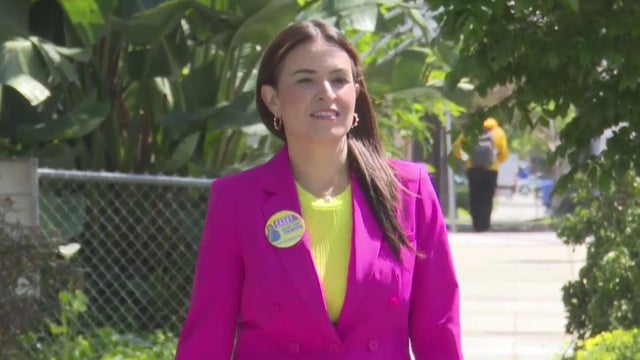
Initial ballot counts in San Jose's special election to fill the District 3 city council seat left vacant by the resignation of former councilmember Omar Torres show candidate Gabby Chavez-Lopez in the lead.
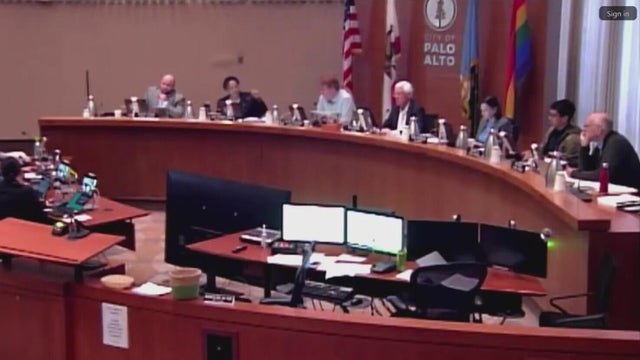
A proposed ordinance in Palo Alto looks to reduce the amount of light pollution in the city at night by implementing new regulations on outdoor lighting.
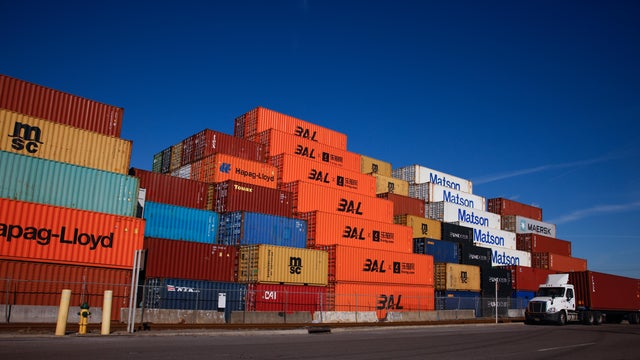
President Trump's tariffs on imports from dozens of countries kicked in Wednesday, including 104% on goods from China, dramatically ramping up a potential global trade war.
Mike Yastrzemski hit a two-run homer in the bottom of the 10th inning, Jung Hoo Lee had three hits including a triple and a double, and the San Francisco Giants rallied from a five-run deficit for an 8-6 victory over the Cincinnati Reds.

Randy Vásquez gave up one hit over five innings and Xander Bogaerts had three hits and scored both of San Diego's runs in a 2-1 victory over the Athletics on Wednesday.

The Athletics rode a six-run first inning to beat the San Diego Padres 10-4 on Tuesday night for their first win in five games at their temporary Sutter Health Park home.

Stephen Curry scored 25 points, Brandin Podziemski added 22 and the Golden State Warriors coasted past the Phoenix Suns 133-95 to gain ground in a crowded Western Conference playoff race.

Nick Lodolo pitched six sharp innings and outdueled Landen Roupp, and the Cincinnati Reds shut out the San Francisco Giants for a second straight game with a 1-0 win.
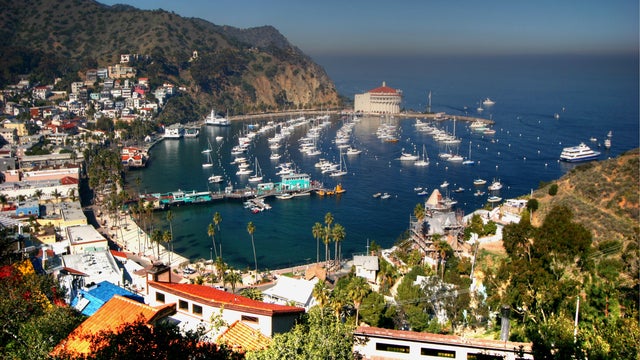
With thousands of plant and animal species, including dozens found nowhere else on Earth, Catalina is a world-class diving destination. Yet scientists warn this underwater paradise faces a growing threat.
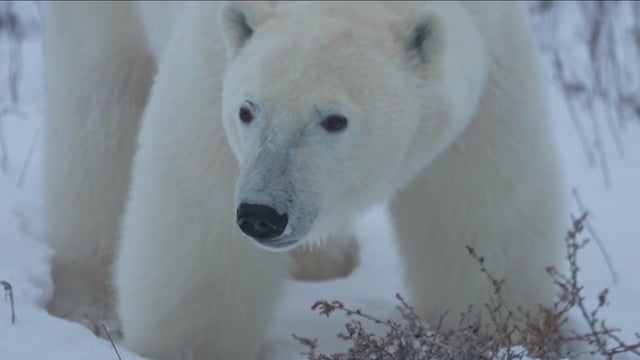
At the edge of the Arctic in northern Canada, the annual migration of polar bears draws tourists, photographers, and scientists like Geoff York.
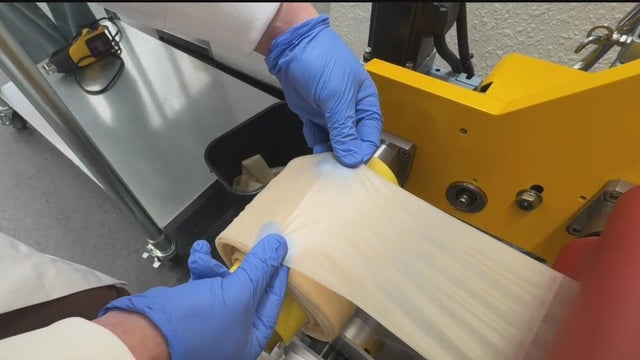
Plastic waste is a huge problem, with bags and packaging a major culprit. A Bay Area startup has figured out a way to replace these plastics, with a plant that grows abundantly off the coast.
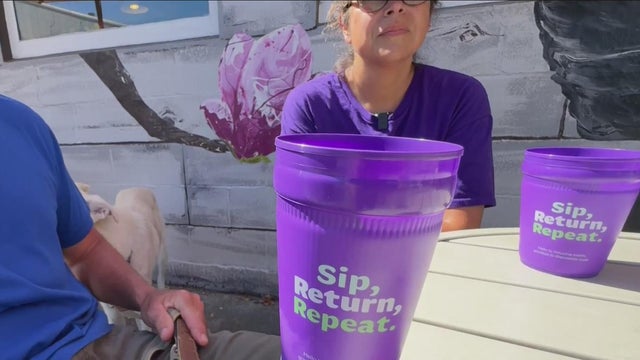
Petaluma's experiment with reusable cups last fall was a resounding success according to a newly released report on the project.

The widespread destruction of old growth trees for ranching and farming is making it harder to get the wood traditionally used to make guitars, including mahogany and Brazilian rosewood.
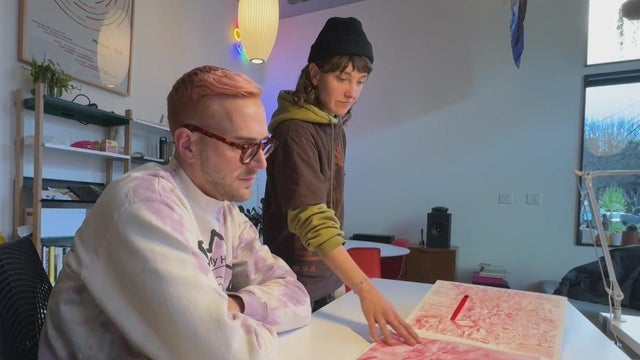
In San Francisco's Dolores Heights, an unusual design and branding studio is the home of two creative artists who earned a Grammy nomination for their groundbreaking album artwork.

President-elect Donald Trump promises to "unleash American energy" by maximizing U.S. oil and gas production. The directive comes at a time when the planet continues to warm, largely due to the burning of fossil fuels, experts say.

When it came to protecting Mother Earth, in many respects, the late President Jimmy Carter was way ahead of his time.

Climate change is triggering more frequent and intense storms as well as flooding. Now a real-life buried treasure – known as a Debris Separating Baffle Box - is seeking to trap the trash before it pollutes critical Bay Area waters.

with Paul Heggen.

Bay Area temperatures are expected to be in the 70s and 80s Wednesday with slightly cooler weather expected this weekend. Jessica Burch has the forecast.

Temperatures continue to creep up later this week with an extended stretch of dry, warmer weather ahead later in April. Paul Heggen has the forecast.

On Tuesday, expect dry conditions and highs in the 60s and low 70s. Wednesday will be the warmest day of the week, with inland areas possibly seeing highs in the 80s. Jessica Burch has the forecast.

As more people in California lose private insurance, the state's FAIR plan is filling up with homes in places the industry itself has classified as low-risk for wildfire.
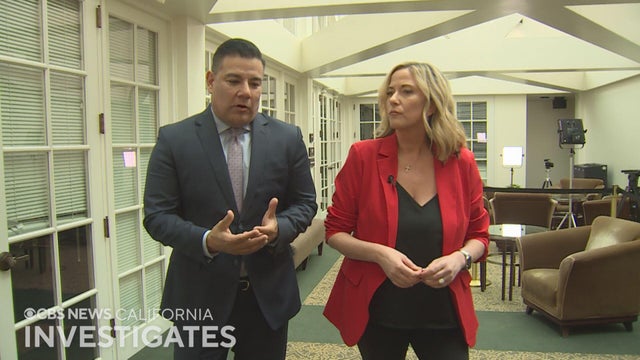
The public is on the hook for the FAIR Plan's debt, but we don't have access to the FAIR Plan financials. Should that be legal? California's Insurance Commissioner says, "No." Now he's committing to fix it following a CBS News California Investigation. WATCH THE FULL INVESTIGATION HERE: California FAIR Plan secrets: Why the state's insurer of last resort is so secretive CONTINUING COVERAGE: Investigating California's Insurance Crisis
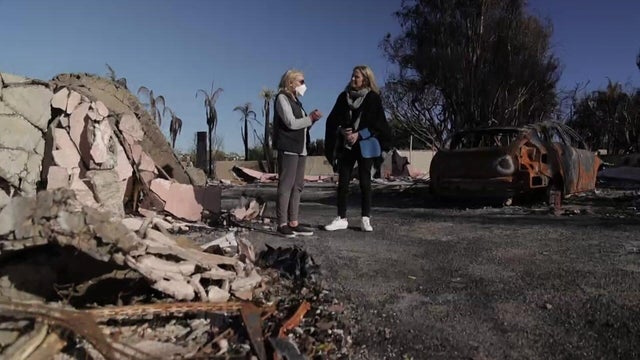
Once thought of as a small, rarely-used backstop, the FAIR Plan is now one of the largest insurers in the state, and people without FAIR Plan insurance are the ones on the hook for the FAIR Plan's debt. Yet the FAIR Plan is still cloaked in secrecy.
Kelsi Thorud reports on Oakland businesses saying they want the city to go after graffiti taggers instead of passing down potential fines on shops. Website: http://kpix.com/ YouTube: http://www.youtube.com/CBSSanFrancisco Facebook: https://www.facebook.com/CBSSanFrancisco Instagram: https://www.instagram.com/kpixtv/ Twitter: https://twitter.com/KPIXtv

Len Ramirez reports on an innovative treatment for Parkinson’s Disease. Website: http://kpix.com/ YouTube: http://www.youtube.com/CBSSanFrancisco Facebook: https://www.facebook.com/CBSSanFrancisco Instagram: https://www.instagram.com/kpixtv/ Twitter: https://twitter.com/KPIXtv

CBS News Bay Area evening edition headlines for April 9, 2025. Watch full newscasts streamed at the CBS SF website or on the app.

Kenny Choi reports on the budget crisis that the long-standing Mountain Play theater group is facing. Website: http://kpix.com/ YouTube: http://www.youtube.com/CBSSanFrancisco Facebook: https://www.facebook.com/CBSSanFrancisco Instagram: https://www.instagram.com/kpixtv/ Twitter: https://twitter.com/KPIXtv

John Ramos reports on EBMUD’s concerns about golden mussels at their reservoirs. Website: http://kpix.com/ YouTube: http://www.youtube.com/CBSSanFrancisco Facebook: https://www.facebook.com/CBSSanFrancisco Instagram: https://www.instagram.com/kpixtv/ Twitter: https://twitter.com/KPIXtv

CBS News Bay Area anchor Elizabeth Cook talks with USF professor of law and migration studies Bill Ong Hing about the positions of the Trump and Harris campaigns when it comes to immigration reform and the situation at the border

CBS News Bay Area anchor Elizabeth Cook asks UC Berkeley Haas School of Business professor Olaf Groth, PhD, about how AI could play a role in potential election interference

CBS News Bay Area anchor Anne Makovec asks UCSF infectious disease specialist Dr. Monica Gandhi if Covid is any more serious than a cold these days, the latest on long Covid, and if the bird flu poses any threat of becoming the next pandemic

The race for the White House is flooding our feeds. CBS News Bay Area anchor Anne Makovec asks Dr. Nolan Higdon with CSU East Bay about the impact of influencers in the presidential race, and if they can really tip the scales in battleground states

CBS News Bay Area anchor Anne Makovec hears from Niku Sedarat from San Jose, an incoming Stanford student and member of DoSomething.Org, about an initiative that allows students to share ideas about addressing mental health in their communities. Anne also asks Dr. Nicole Stelter from Blue Shield of California how parents can provide support for their children

CBS News Bay Area anchor Elizabeth Cook has been reporting extensively on the rise in lung cancer cases among non-smoking Asian American women. Now, Liz talks to a Bay Area mother whose trip to Kaiser Permanente Oakland Medical Center after a car crash may have saved her life. Liz also talks to Dr. Jeffrey Velotta, who performed the surgery, about the rise in lung cancer cases in Asian American women and what may be causing them

CBS News Bay Area anchor Elizabeth Cook talks to Coalition on Homelessness Executive Director Jennifer Friedenbach and Senior Vice President of Public Policy for the Bay Area Council Adrian Covert to hear both sides of the debate over Gov. Newsom's executive order to clear homeless encampments

Vice President Kamala Harris has announced her bid for the White House and has appeared to fend off any challengers for the Democratic nomination. CBS News Bay Area anchor Elizabeth Cook asks UC Berkeley Haas School of Business professor Olaf Groth, PhD, which candidate will get support from Silicon Valley

Andrea Nakano and Brian Hackney spoke to San Jose State senior lecturer Donna Crane and Sonoma State professor David McCuan about the stunning developments in the presidential race Sunday. (7-21-24)
Police Chief Bill Scott credited the center, and the technology, with a 20% drop in crime from January through early April, compared to the same period last year
Sunset Dunes will be the name of San Francisco's newest park, located on part of the now-closed Upper Great Highway.
Mike Yastrzemski hit a two-run homer in the bottom of the 10th inning, Jung Hoo Lee had three hits including a triple and a double, and the San Francisco Giants rallied from a five-run deficit for an 8-6 victory over the Cincinnati Reds.
Nick Lodolo pitched six sharp innings and outdueled Landen Roupp, and the Cincinnati Reds shut out the San Francisco Giants for a second straight game with a 1-0 win.
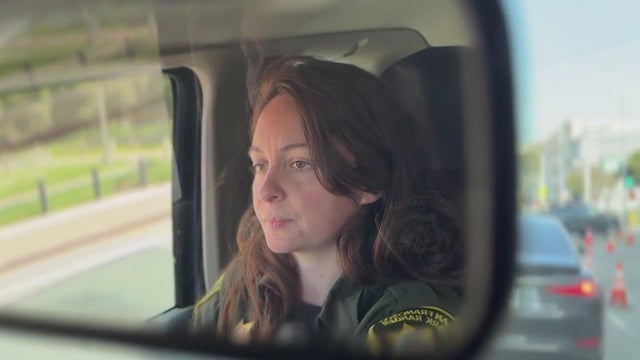
A San Francisco park ranger is being recognized by the city for her work helping homeless residents who live in Golden Gate Park.
After multiple times repainting her storefront only for it to be graffitied again the next day, one store owner said she gave up trying to keep it clean.
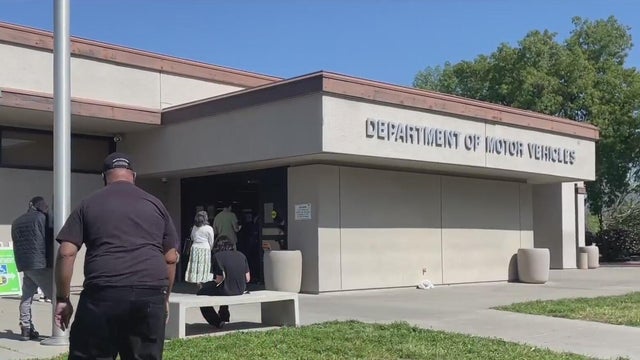
The looming May 7th deadline for U.S. travelers to have a Real ID has Bay Area residents scrambling to make DMV appointments and – in some cases – facing long waits at regional offices.
A 3-year-old toddler in Antioch died Tuesday evening in what appears to be a self-inflicted accidental shooting, Antioch police said.
Stephen Curry scored 25 points, Brandin Podziemski added 22 and the Golden State Warriors coasted past the Phoenix Suns 133-95 to gain ground in a crowded Western Conference playoff race.

What appeared to be a rare type of whale that got stuck in shallow waters near the Emeryville Marina Tuesday morning was euthanized after struggling into the afternoon, officials with the Marine Mammal Center said.
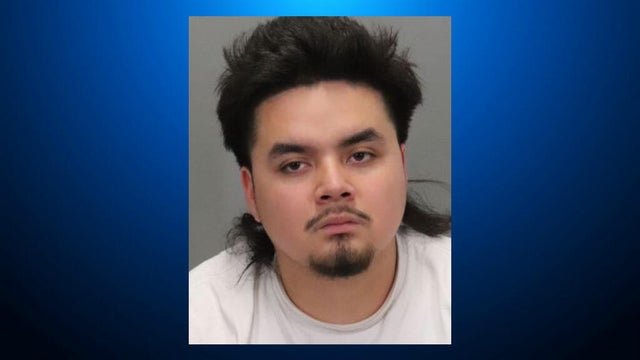
Police in San Jose on Wednesday confirmed the recent arrest of a suspect who fired on a rideshare vehicle on New Year's Eve, injuring one of the passengers.
Initial ballot counts in San Jose's special election to fill the District 3 city council seat left vacant by the resignation of former councilmember Omar Torres show candidate Gabby Chavez-Lopez in the lead.
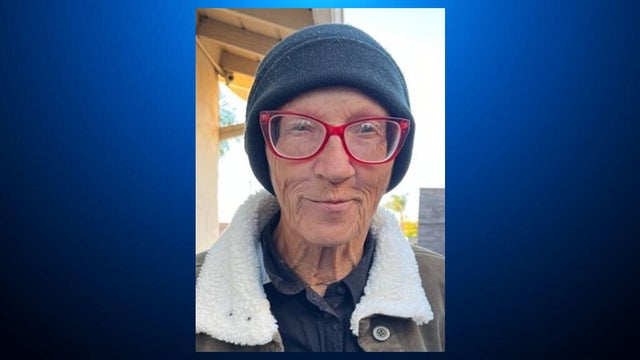
The California Highway Patrol has issued a Silver Alert for a missing woman in the San Jose area, the agency said Tuesday night.
A proposed ordinance in Palo Alto looks to reduce the amount of light pollution in the city at night by implementing new regulations on outdoor lighting.
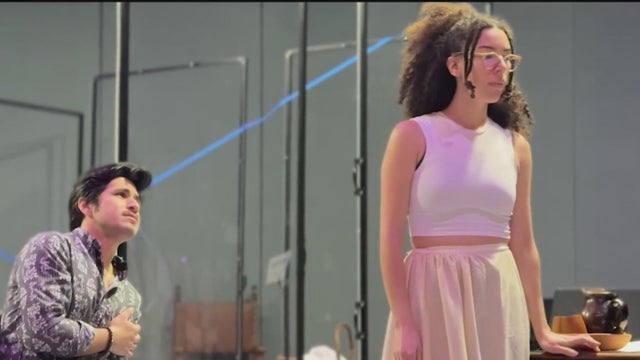
Opera San Jose is hoping to bring in a new audience with its upcoming of "Zorro," a blend of Latin-American culture and California history that will be performed in English and Spanish.
A long-running and unusual theater tradition in the North Bay is in jeopardy of coming to an end due to budget challenges.
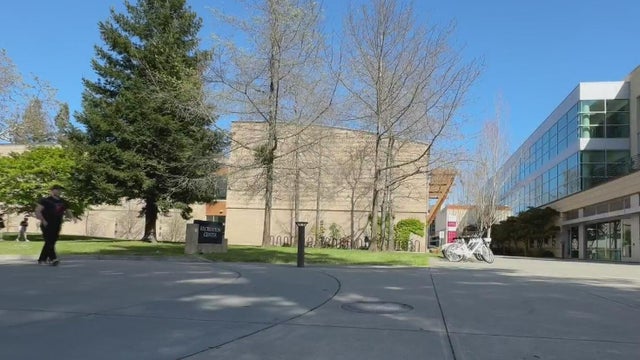
After a $23.9 million budget deficit led Sonoma State University to implement campuswide cuts, university officials on Tuesday laid out their recovery plan.
Days after announcing it would be flying federal deportation flights from Arizona, officials with Avelo Airlines confirmed Wednesday it would no longer have a base at the Sonoma County Airport.
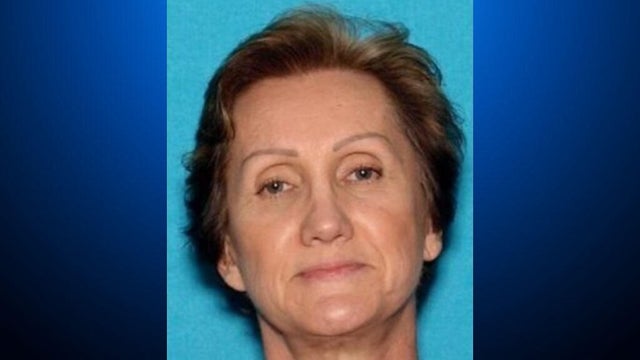
A woman's body found in Lake County last year has been identified as a Napa resident and authorities said Tuesday they are continuing to investigate suspicious circumstances surrounding her death.
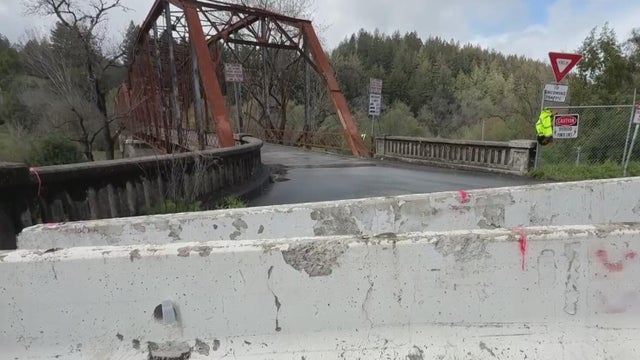
A long-awaited bridge project is underway in the North Bay, but construction has created a situation residents said is a "safety" issue.
After multiple times repainting her storefront only for it to be graffitied again the next day, one store owner said she gave up trying to keep it clean.
Sunset Dunes will be the name of San Francisco's newest park, located on part of the now-closed Upper Great Highway.
A San Francisco park ranger is being recognized by the city for her work helping homeless residents who live in Golden Gate Park.
A long-awaited bridge project is underway in the North Bay, but construction has created a situation residents said is a "safety" issue.
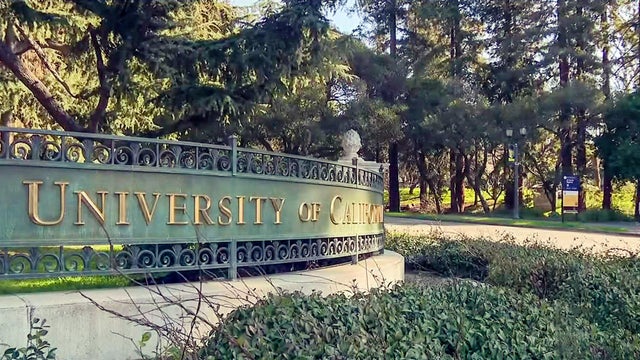
The visas issued to six students at both UC Berkeley and Stanford were revoked by the federal government in the past week, according to campus officials.
After multiple times repainting her storefront only for it to be graffitied again the next day, one store owner said she gave up trying to keep it clean.
Police Chief Bill Scott credited the center, and the technology, with a 20% drop in crime from January through early April, compared to the same period last year
A long-running and unusual theater tradition in the North Bay is in jeopardy of coming to an end due to budget challenges.
A Peninsula woman is working to make sure kids with autism feel included at a San Mateo County ranch providing a fulfilling place for everyone to feel and "be okay."
Sunset Dunes will be the name of San Francisco's newest park, located on part of the now-closed Upper Great Highway.

Kennedy's comment comes as the Environmental Protection Agency says it has now launched a new review of fluoride's health effects.
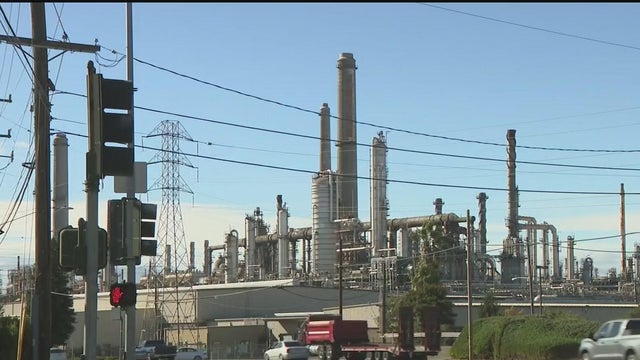
A fire involving a portable air compressor at the Martinez Refining Company on Wednesday night left one person injured, according to officials.

Tony's Chocolonely is recalling some products after consumers reported finding "small stones" in the chocolate bars.
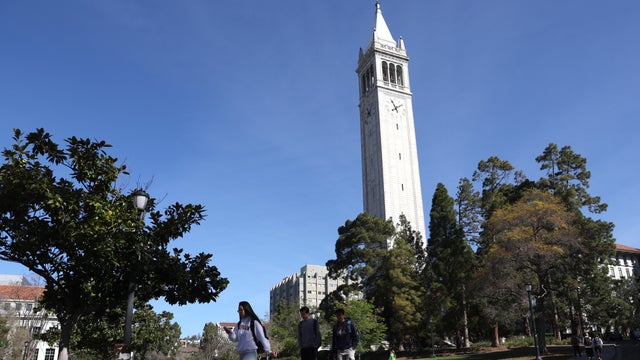
A University of California, Berkeley student has created an artificial intelligence startup to help people detect strokes and other medical emergencies and will be taking part in an innovation competition on Wednesday, the university said.
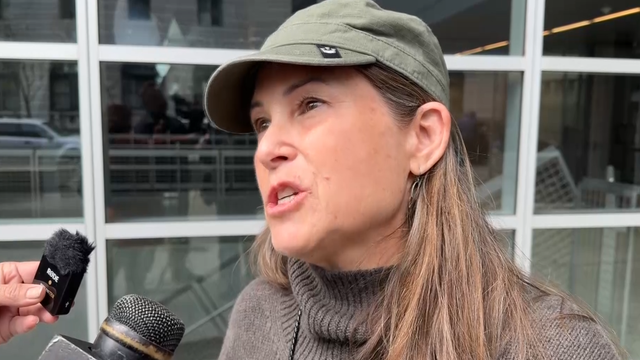
As mass layoffs commenced nationwide for Department of Health and Human Services workers, one employee seen leaving the Nancy Pelosi Federal Building in San Francisco Tuesday morning said she was "devastated" and "heartbroken."
Police Chief Bill Scott credited the center, and the technology, with a 20% drop in crime from January through early April, compared to the same period last year
Police in San Jose on Wednesday confirmed the recent arrest of a suspect who fired on a rideshare vehicle on New Year's Eve, injuring one of the passengers.
A woman's body found in Lake County last year has been identified as a Napa resident and authorities said Tuesday they are continuing to investigate suspicious circumstances surrounding her death.
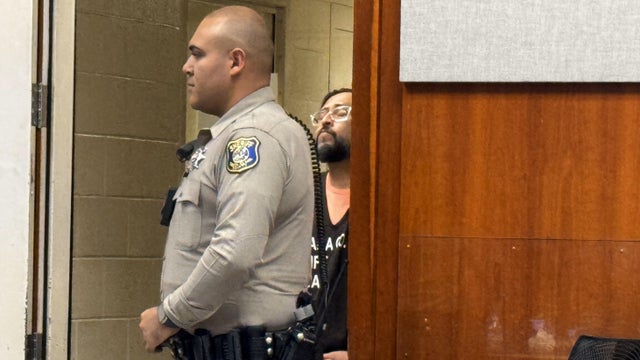
The Santa Clara County District Attorney confirmed that former San Jose City Councilman Omar Torres was convicted Tuesday of sexually molesting a minor in 1999, the same day a special election was being held to fill his vacant seat.
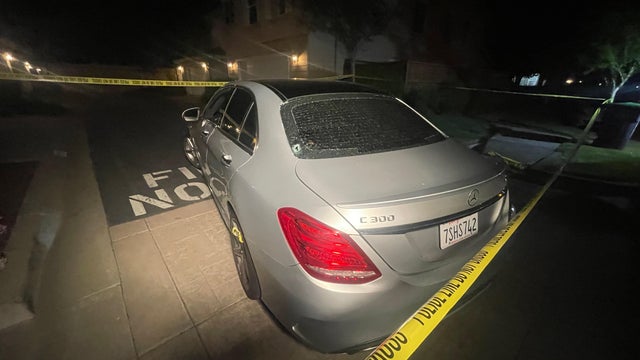
One person has now died after the triple shooting in Fairfield Monday night, police said.
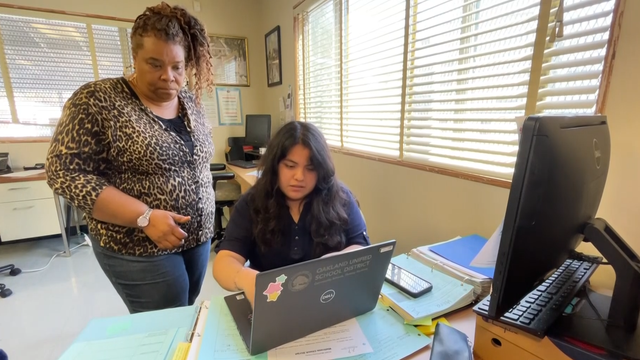
Ever since the COVID-19 pandemic, the Oakland Unified School District has seen an alarming spike in the number of unhoused students in the school system who deal with a host of challenges far beyond what most children face.

Meteorologist and CBS News Bay Area's resident pilot Lt. Jessica Burch got a treat during Fleet Week, taking to the skies with one of the Blue Angels.
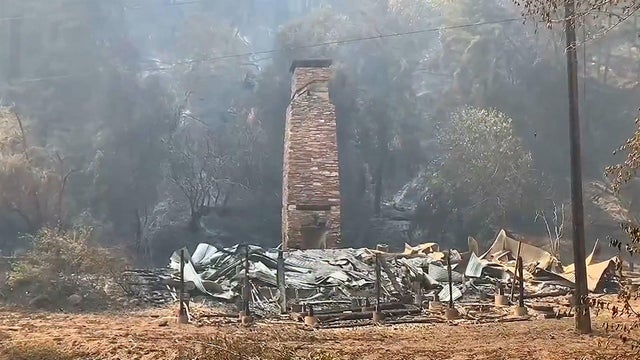
A Bay Area man discovered his devastating loss left him with a new opportunity to rethink how he lives -- follow his journey in virtual reality, 360-degree video.
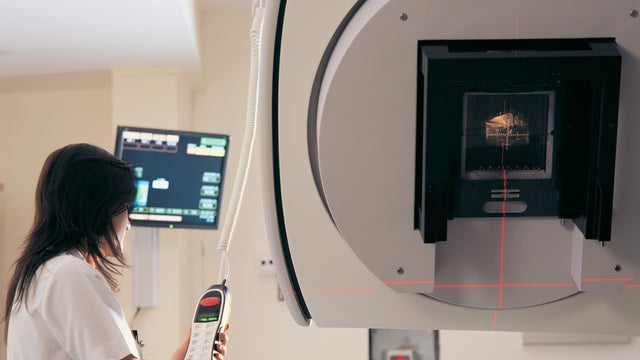
A groundbreaking medical study involving the UCSF Medical Center has shown some colorectal cancer patients can safely skip radiation treatment and enjoy a potentially higher quality of life.

Every day, San Francisco bar pilot Captain Zach Kellerman goes through what might just be the world's most dangerous commute.
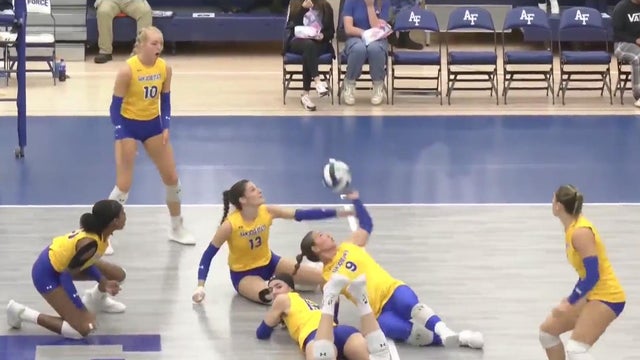
The Trump administration is gearing up to investigate schools for potential Title IX violations for allowing transgender women to compete in women's sports, including San Jose State.
The NCAA updated its policy one day after the administration's order banning transgender athletes from competing on female teams.
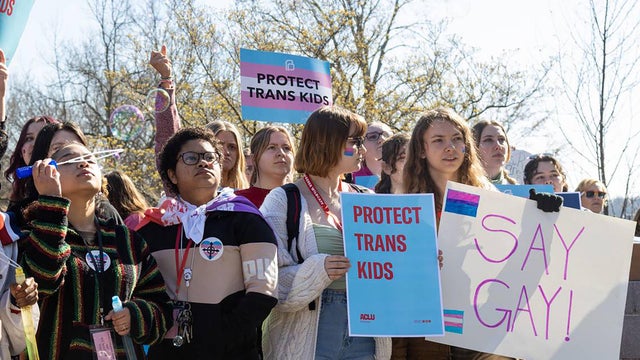
The order directs that federally-run insurance programs, including TRICARE and Medicaid, exclude coverage for gender-affirming care for those under 19.

A Milpitas man convicted in the 2021 domestic violence murder of his transgender partner has been sentenced, prosecutors said.

John Ramos reports on how transgender advocates reacted to President Trump's announcement the government would only recognize two genders.

It happened several days after Halloween, but composer and former Oingo Boingo frontman Danny Elfman delivered an appropriately macabre set of movie soundtracks and '80s hits for a full house at the Shoreline Amphitheatre.

Bay Area pop-punk heroes Green Day brought their current Saviors Tour to Oracle Park in San Francisco Friday for an epic show that also featured alt-rock favorites Smashing Pumpkins and fellow punk acts Rancid and the Linda Lindas.

An all-star group featuring King Crimson members Adrian Belew and Tony Levin along with guitar giant Steve Vai and Tool drummer Danny Carey played the music from Crimson's '80s albums at the Meritage Resort and Spa in Napa Friday.
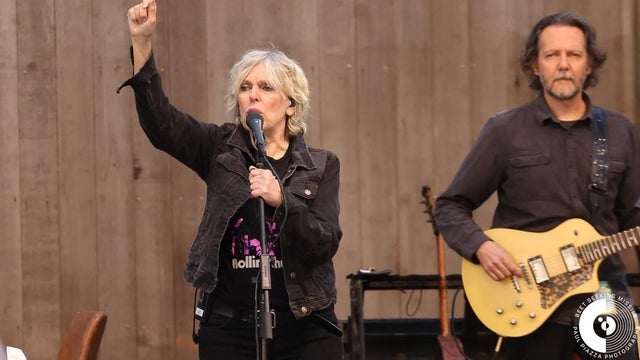
Grammy-winning country-blues songwriter Lucinda Williams and her band put on a show-stopping performance at Stern Grove in San Francisco on Sunday, Aug. 18.

This year's edition of Outside Lands came to an eclectic close Sunday with sets from headliner Sturgill Simpson, rising star Chappell Roan, rapper-turned-country-singer Post Malone and more.
In 2025, KPIX is moving to a new community service award: the CBS News Bay Area Icon Award. Submit nominations for an outstanding community hero at kpix.com/icon.
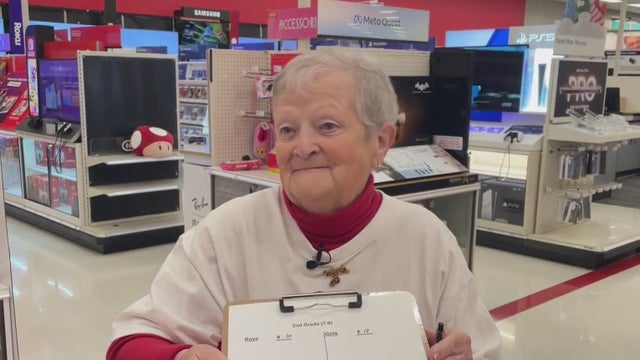
It's the most wonderful time of the year for a South Bay woman who has played Mrs. Claus for more than 40 years for the children of North San Jose's Alviso District.
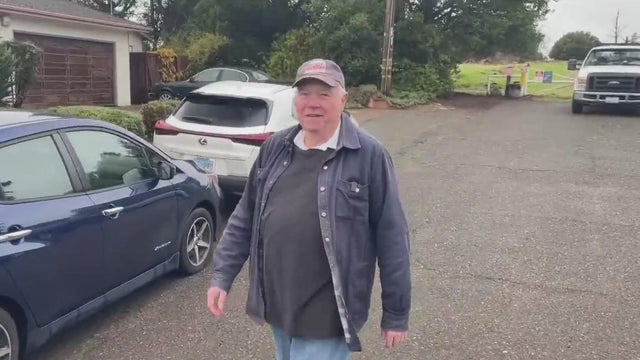
For residents of the Oakland Hills, the prospect of another wildfire always remains a concern. This week's Jefferson Awards winner has made it his mission to make the hills and other high-risk areas safer.
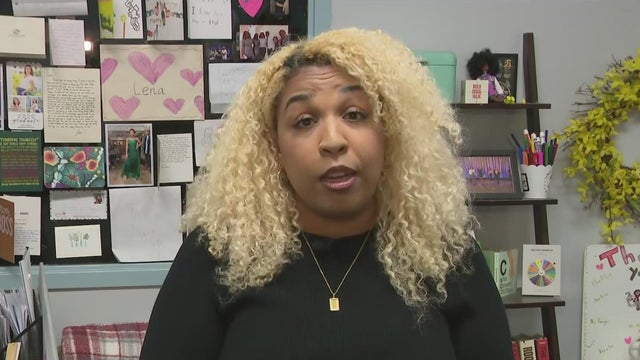
In East Palo Alto -- where state education numbers show more than nine in ten public school students are low income and more than half are English learners -- many are finding hope and connection at the Boys & Girls Clubs of the Peninsula.
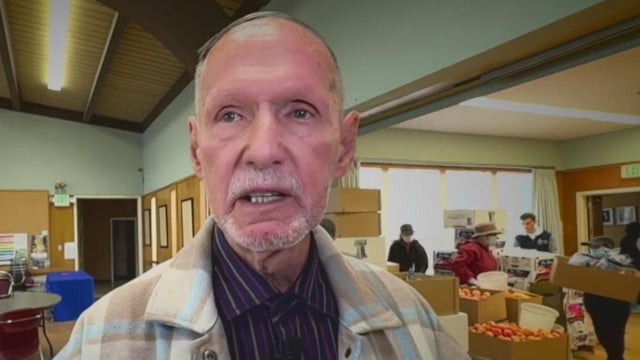
This week's Jefferson Award winner is Army veteran who continues to live a life of service into his 80s, by feeding hundreds of San Francisco families a week.
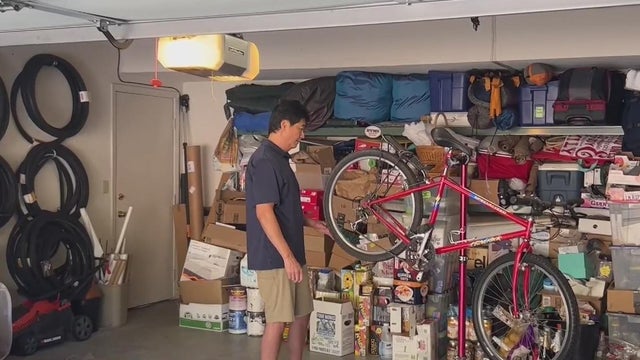
A Bay Area man who overcame tremendous obstacles to excel in school has made it his mission to gear up other students for success in the classroom and in life.
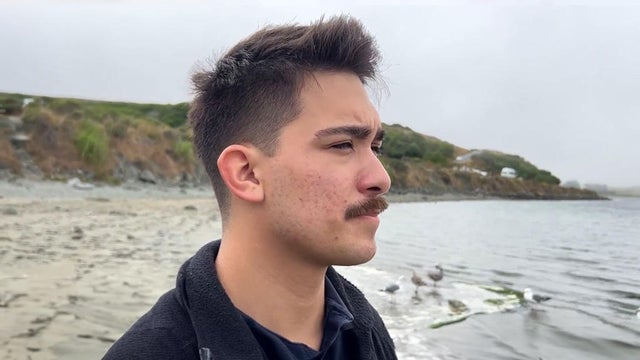
For Students Rising Above scholar Josh Collins it took moving across the country to realize the value of his Bay Area family.
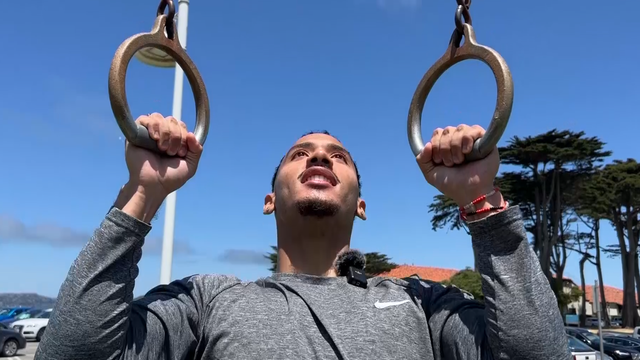
Samir Hooker had to grow up fast after his stepfather was shot dead 12 years ago. Now he is watching over his mom and sister while attending UC Berkeley.
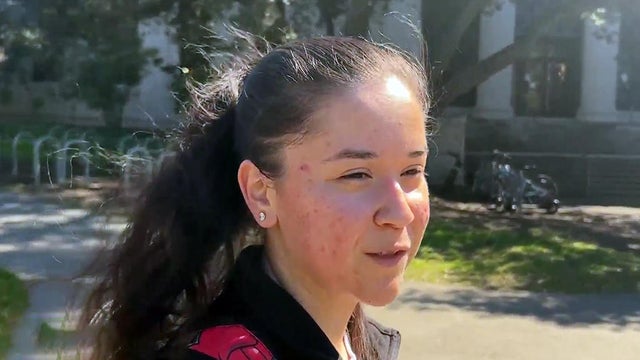
It's hard enough to graduate from one of the most prestigious schools in the country when you're the first in your family to go to college. Imagine doing that while you're also trying to protect your parents from being deported?
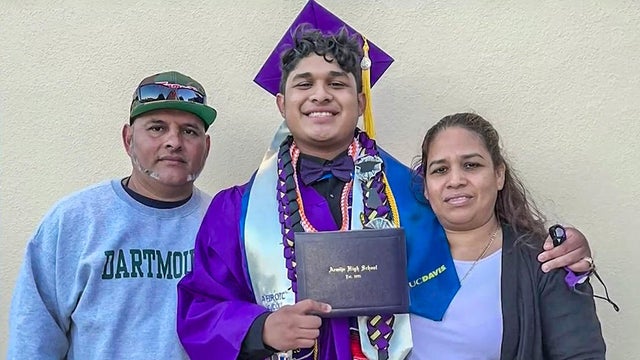
Some students who are the first in their families to go to college face the challenge of balancing a rigorous academic load while still working to help support their family back home.